ЗАГАЛЬНІ ВІДОМОСТІ

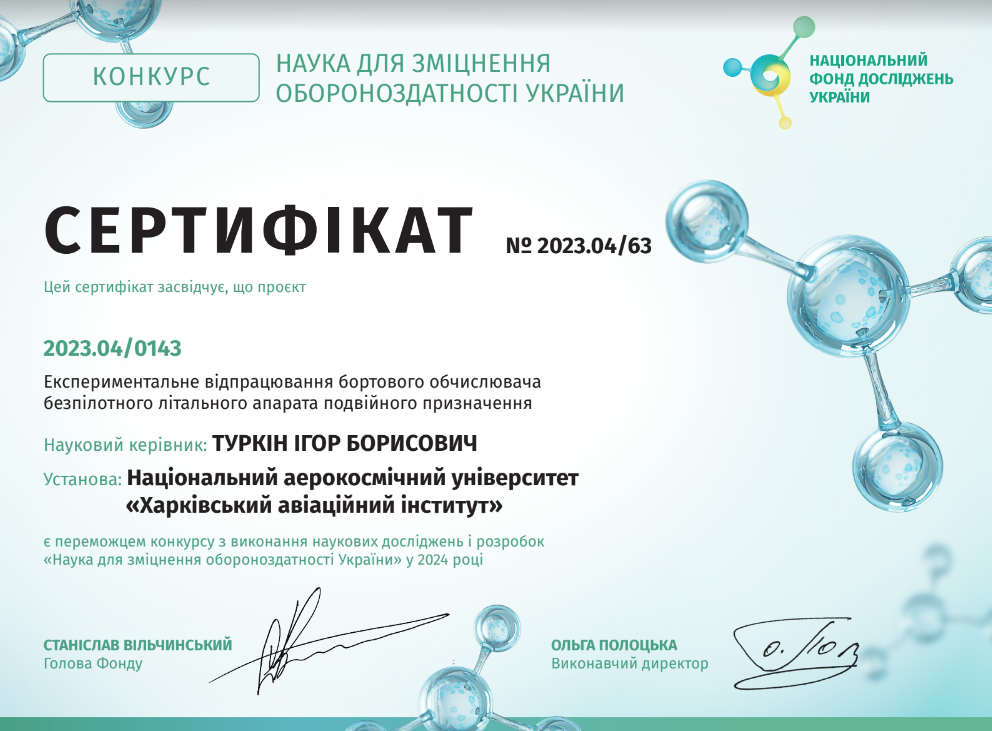
Два творчих колективи ХАІ стали переможцями конкурсу проєктів з виконання наукових досліджень і розробок «Наука для зміцнення обороноздатності України», що проводився Національним фондом досліджень. Метою конкурсу є фінансування колективних наукових прикладних проєктів, спрямованих на зміцнення обороноздатності України та забезпечення її спроможності реагувати на мілітарні виклики.

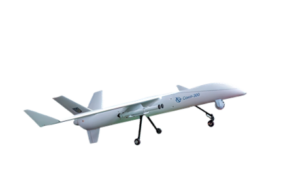
Серед проєктів-переможців – проєкт під керівництвом завідувача кафедри інженерії програмного забезпечення Туркіна Ігоря Борисовича «Експериментальне відпрацювання бортового обчислювача безпілотного літального апарата подвійного призначення», що спрямовано на розробку та вдосконалення бортового обчислювача (на рис.), створеного аспірантом кафедри Любімовим О.В., для безпілотних літальних апаратів подвійного призначення, а також створення системного програмного забезпечення для нього.
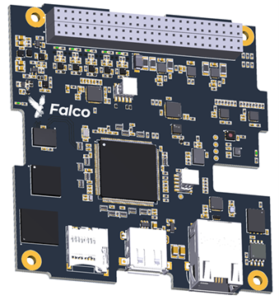
Що таке бортовий обчислювач?

Це сучасна гнучка та масштабована платформа керування авіонікою автономних систем.

Реалізація цього проєкту дозволить створити вітчизняну платформу для розробки авіоніки БПЛА.

Призначення:

  • роботизовані напів- та повно-автоматичні автономні платформи;

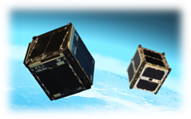
в перспективі – наносупутники CubeSat 1U-12U.
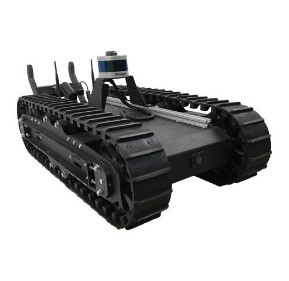


Програмно-апаратне рішення для критичних місій в космосі та на землі!
Від щирого серця вітаємо наших переможців із значним внеском у науку та розвиток аерокосмічної галузі України!

ПРЕЗЕНТАЦІЯ РЕЗУЛЬТАТІВ

Захід організовано Комітетом Верховної Ради України з питань економічного розвитку, Українською асоціацією високотехнологічних підприємств та організацій «КОСМОС» і Радою з космічних досліджень НАН України.

На засіданні з доповіддю виступив директор Інституту Олег Федоров. За результатами дискусій ухвалено резолюцію та вироблено рекомендації.

Конкурс UNICORN об’єднує найкращі та найяскравіші уми та структурований так, щоб направляти стартапи на різні етапи, пропонуючи інтенсивну двотижневу програму для підтримки динамічної взаємодії.

В 2024 році конкурс UNICORN провели EIT Community RIS Hub Ukraine та Sigma Software Labs за підтримки Міністерства цифрової трансформації України в рамках Startup World Cup Ukraine: 2024. Конкурс UNICORN дав українським стартапам платформу для підготовки до глобального етапу Startup World Cup, найбільшого у світі глобального змагання з інвестиції в 1 мільйон доларів США, яке відбудеться 4 жовтня в Сан-Франциско, Каліфорнія.

Участь у практичній програмі Science2Business для науковців та науковиць (серпень 2024)

Science2Business — це проєкт Seeds of Bravery. Він реалізується Центром інновацій та підприємництва INNOV8 спільно з Aalto University, EIT Health та Erasmus Centre for Entrepreneurship. Ініціативу фінансово підтримує Європейський Союз через Європейську інноваційну раду.

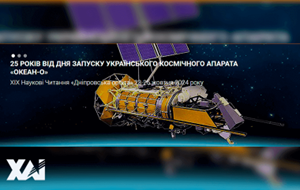
Участь у XІХ Наукових Читаннях «Дніпровська орбіта-2024»

Присвячених 25-й річниці від дня запуску українського космічного апарата «Океан-О» (24 жовтня 2024)

Наукові читання щорічно проводяться при постійній і активній участі підприємств, університетів та інших організацій з метою залучення вчених і фахівців до комплексу проблем, пов’язаних з гуманітарними аспектами ракетно-космічної техніки.

У пленарному засіданні виступили спеціалісти які безпосередньо брали участь у розробці, виготовлені та підготовці до запуску КА «ОКЕАН-О», були членами Державної комісії та присутніми при його запуску.

За підсумками наукових читань Любімов О.В. отримав диплом за кращу доповідь.

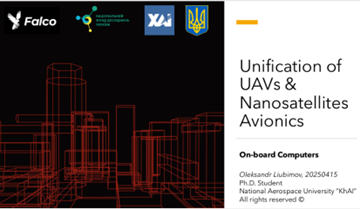
Участь у круглому столі «Можливості для розвитку молодіжної аерокосмічної науки»

(15 квітня 2025 р.)

Під час заходу учасники обговорили сучасні дослідження в галузі аеродинаміки, матеріалознавства, зносостійких покриттів, адаптивних навігаційних систем, а також освітні ініціативи, зокрема створення шкільних обсерваторій та підготовку IT-фахівців для аерокосмічного сектору.

Відеозапис заходу доступний за посиланням:


Участь у International Symposium on Electric Aviation and Autonomous Systems, ISEAS’25 (16-18 вересня 2025 р.)

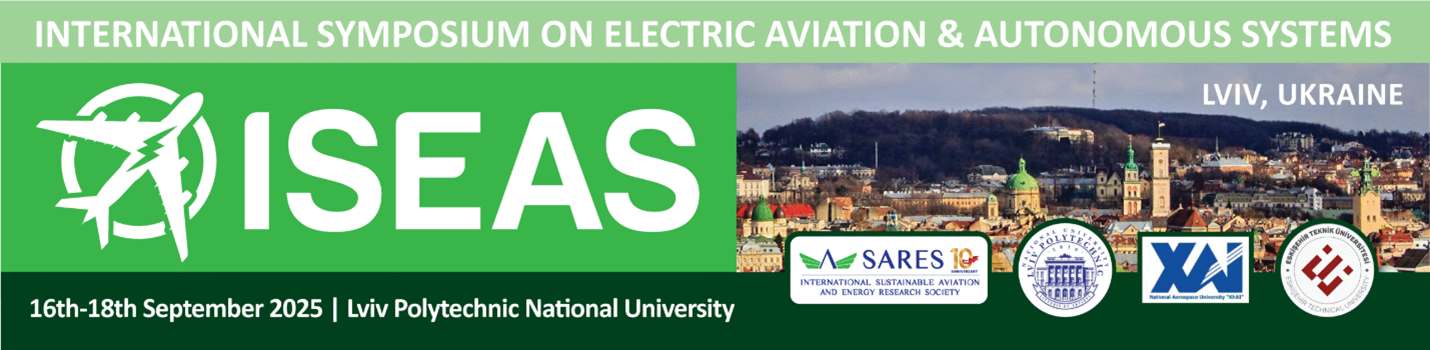
Банер ISEAS’25

ISEAS, International, Multi-Disciplinary Symposium, організований International Sustainable Aviation and Energy Research Society (SARES), спрямований на вирішення актуальних питань в галузі авіації, таких як електрифікація літальних апаратів (повністю електричні літаки), виробництво та зберігання електроенергії в літальних апаратах тощо.

Програма симпозіуму включала пленарні доповіді запрошених фахівців, галузеві сесії на спеціалізовані теми та короткі доповіді, представлені на усних сесіях.

Участь у The 2025 NASA International Space Apps Challenge

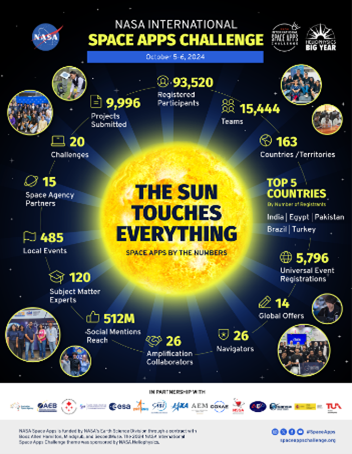
Інфографіка NASA Space Apps

NASA Space Apps це програма інновацій та залучення громадськості під егідою NASA’s Science Mission Directorate. NASA Space Apps має на меті сприяти прозорості та глобальній співпраці в рамках Open Government Initiative.

The NASA International Space Apps Challenge – це найбільший щорічний глобальний хакатон. Цей дводенний захід сприяє інноваціям через міжнародну співпрацю, надаючи учасникам можливість використовувати безкоштовні та відкриті дані NASA та космічні дані партнерів Space Agency для вирішення реальних проблем на Землі та в космосі.

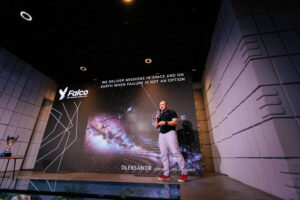
Презентація команди Falco

2025 NASA International Space Apps Challenge відбувся 4 жовтня 2025. Під час заходу учасники презентували свої проекти у вісімнадцяти спеціалізованих секціях.

В межах конкурсу команда Falco Engineering представила свій проєкт.

Відео презентації

Участь у ProfIT AI’25: 5th International Workshop of IT-professionals on Artificial Intelligence

Банер ProfIT AI’25

Семінар спільно організовано Національним аерокосмічним університетом «Харківський авіаційний інститут», Ліверпульським університетом та Харківським національним університетом імені В.Н. Каразіна.

Семінар відбувся 15-17 жовтня 2025 у Ліверпулі, Велика Британія у гібридному форматі. Семінар надає платформу для обміну інноваційними ідеями, теоретичними та практичними результатами досліджень, обговорення поточного стану індустрії штучного інтелекту та сприяння співпраці для пришвидшення впровадження результатів досліджень.

1. A UAV Mission Computer Operation Modes Optimization Focusing on Computational Energy Efficiency and System Responsiveness


→ Full Text

Abstract

The rising popularity of UAVs and other autonomous control systems, coupled with real-time operating systems have increased the complexity of developing systems with the proper robustness, performance, and reactivity.

Concurrently, the growing demand for more sophisticated computational tasks, proportionally bigger payloads, batteries, and smaller take-off mass necessitates higher energy efficiency for all avionics and mission computers. This paper aims to develop the technology for experimental studies of indicators of reactivity and energy consumption of the computing platform for unmanned aerial vehicles (UAVs).

The paper provides an experimental assessment of the ’Boryviter’ 0.1 computing platform, which is implemented on the ATSAMV71 8 microprocessor and operates under the open-source FreeRTOS operating system. The results are the basis for developing algorithms and energy-efficient design strategies for the mission computer to solve the optimization problem. The paper provides experimental results of measurements of the energy consumed by the microcontroller and estimates of the reduction in system energy consumption due to additional time costs for suspending and resuming the computer’s operation.

The results show that the ’Boryviter’ 0.1 computing platform can be used as a UAV mission computer for typical flight control tasks requiring real-time computing under external factors. As the further work direction, the authors plan to carry out the investigation of the proposed energy-saving algorithms in the scope of NASA’s F’Prime software flight framework. Such an investigation that should be done with the actual flight computation load for the mission computer will help to qualify the obtained energy-saving methods and their implementation results.

2. Комбінована модель процесу розроблення апаратно-програмного модуля обробки даних студентського наносупутника CubeSat


→ Посилання на Комбінована модель

Анотація

Концепція наносупутників CubeSat змінила правила гри в галузі космічних наукових досліджень і розвитку новітніх космічних технологій. Основні фактори їх успіху: низька вартість, відносна простота виробництва і передбачуваний життєвий цикл.

CubeSat дуже важливі для підготовки майбутніх інженерів: бакалаврів і магістрів аерокосмічних університетів. Тому використання CubeSat – це економічно вигідний спосіб дослідження ближнього космічного простору та проведення наукової роботи.

Проте існує багато питань, пов’язаних з ефективним розробленням програмного забезпечення, забезпеченням якості програмного забезпечення на системному рівні, обслуговуванням і повторним використанням програмного коду. В роботі розглянуто переваги і недоліки як класичних, так і сучасних гнучких (Agile) моделей життєвого циклу розроблення програмного забезпечення.

Для підвищення гнучкості та зменшення складності проєктів CubeSat запропоновано комбіновану модель розроблення апаратно-програмного модуля обробки даних, яка поєднує переваги двох моделей: «водоспадної» (waterfall) моделі для розроблення апаратного забезпечення і гнучкої моделі для розроблення програмного забезпечення.

Для всебічної оцінки комбінованої моделі процесу розроблення апаратно-програмного модуля обробки даних використано методологію SWOT-аналізу, який є популярним інструментом стратегічного планування. Для його проведення сформульовано переваги та недоліки, зовнішні можливості та загрози комбінованої моделі процесу розроблення апаратно-програмного модуля обробки даних. Запропонована комбінована модель дозволить студентським командам з малим досвідом розробляти програмно-апаратні модулі обробки даних з мінімальними ризиками, забезпечуючи повторне використання коду і збільшуючи привабливість студентських проєктів CubeSat.

Ключові слова

наносупутник, Cubesat, програмне забезпечення, апаратне забезпечення, «waterfall», Agile.

3. Modeling CubeSat Storage Battery Discharge: Equivalent Circuit Versus Machine Learning Approaches

DOI:

https://doi.org/10.48550/arXiv.2507.15666

Abstract

The subject of the article is the study and comparison of two approaches to modelling the battery discharge of a CubeSat satellite: analytical using equivalent circuit and machine learning. The article aims to make a reasoned choice of the approach to modelling the battery discharge of a CubeSat satellite.

Modelling the battery discharge of a satellite will enable the prediction of the consequences of disconnecting the autonomous power system and ensure the fault tolerance of equipment in orbit. Therefore, the selected study is relevant and promising. This study focuses on the analysis of CubeSat satellite data, based explicitly on orbital data samples of the power system, which include data available at the time of the article publication.

The dataset contains data on the voltage, current, and temperature of the battery and solar panels attached to the five sides of the satellite. In this context, two approaches are considered: analytical modelling based on physical laws and machine learning, which uses empirical data to create a predictive model.

Results: A comparative analysis of the modeling results reveals that the equivalent circuit approach has the advantage of transparency, as it identifies possible parameters that facilitate understanding of the relationships. However, the model is less flexible to environmental changes or non-standard satellite behavior. The machine learning model demonstrated more accurate results, as it can account for complex dependencies and adapt to actual conditions, even when they deviate from theoretical assumptions.

Keywords

CubeSat, EPS, machine learning, modelling, small satellite.

4. CubeSats and Their On-Board Computers: Systematic Literature Review

Liubimov, O.; Turkin, I.

Джерело:

Preprints 2025, 2025072005

Abstract

CubeSats have revolutionized the exploration and utilization of near-space environments, particularly in low-earth orbit. In this study, we present a systematic review of the current literature to identify and discuss the main developments, research topics, and advancements in the development of nanosatellite avionics, with a focus on onboard computers, covering both hardware and software aspects.

A systematic literature review was conducted using the Preferred Reporting Items for Systematic Reviews and Meta-Analyses (PRISMA) methodology. Of the 647 articles extracted from Science Direct and IEEE, 202 studies were selected based on rigorous inclusion and exclusion criteria, revealing six major thematic areas in nanosatellite design and operation.

The findings are organized into six subsections that address the most frequently discussed topics in designing, developing, and operating nanosatellites. Topics start with the onboarding of the mission’s analysis and overview and continue with the review of the hardware and software solutions for the onboard computers, their architecture and reliability assessment, and the system engineering around them. Two applied topics of telemetry and communication and the use of machine learning onboard nanosatellites are finishing the review topics.

According to the results, CubeSat research and development continue to grow rapidly, leveraging modern embedded technology advancements. The availability, robustness, and high integration level of commercial off-the-shelf components (COTS) have introduced graphics processing units (GPUs), field-programmable gate arrays (FPGAs), and multi-core computing systems into space. These powerful and energy-efficient computers, reinforced by modern machine learning models, enable the rapid and reliable development of complex, sophisticated missions.

Finally, the conclusions highlight the major findings, potential future trends, and research topics in the field. Ultimately, this article serves as a comprehensive guide for scientists, developers, integrators, and enthusiasts engaged in space technology research and development.

Keywords

nanosatellites, CubeSat, on-board computer, cdhm, systematic literature review, OBC, software, hardware, system engineering, reliability, machine learning, AI, COTS.

Експериментальне відпрацювання БО «Боривітер»

Бортовий обчислювач «Боривітер» використовувався для валідації математичної моделі, яка була побудована в межах магістерської кваліфікаційної роботи на тему «Аналіз одновісної системи орієнтації та стабілізації супутника CubeSat для задач пасивної радіолокації» студентом групи 463-м Сергієнко Андрієм Ігоровичем. Випробування проводились у співпраці з ТОВ “ЕКТОС-УКРАЇНА”

2024

ПУБЛІКАЦІЇ

  1. Liubimov, O., & Turkin, I. (2024). Experimental study of FreeRTOS operating system reactivity in power saving modes of the onboard computer microcontroller. Aerospace Technic and Technology, 0(4), 71-86. doi:https://doi.org/10.32620/aktt.2024.4.09
  2. Liubimov, O., Turkin, I., Leshchenko, O., & Valkovyi, V. (2024). Experimental evaluation of the efficiency of containerization technology in the onboard software of a nanosatellite CubeSat. Aerospace Technic and Technology, 0(4), 87-103. doi:https://doi.org/10.32620/aktt.2024.4.10
  3. Turkin, I., Liubimov, O., & Zakharenko, V. (2024). Optimization of energy consumption of the CubeSat on-board computer under real-time limitations. Aerospace Technic and Technology, 0(3), 126-137. doi:https://doi.org/10.32620/aktt.2024.3.10
  4. Liubimov, O., & Turkin, I. (2024). Multicriteria evaluation of industry-known interfaces of onboard network of CubeSat nanosatellites. Aerospace Technic and Technology, 0(3), 138-153. doi:https://doi.org/10.32620/aktt.2024.3.12
  5. Liubimov O, Turkin I, Cheranovskiy V, Volobuieva L. UAV Mission Computer Operation Mode Optimization Focusing on Computational Energy Efficiency and System Responsiveness. Computation. 2024; 12(12):235. https://doi.org/10.3390/computation12120235
  6. Туркін, І., О. В. Любімов, & І. В. Шевченко. “Combined model of the hardware-software development process for a student СubeSat nanosatellite data processing module.” Open Information and Computer Integrated Technologies [Online], 0.101 (2024): 148-165. https://doi.org/10.32620/oikit.2024.101.10

Матеріали конференцій:

  1. Волобуєва Л. О., Любімов О. В., Валковий В. С. Метод оптимізації енергоспоживання бортового комп’ютера наносупутника // Винахідники і науковці: разом до перемоги : матеріали наук.-практ. конф. (Харків, 19 верес. 2024 р.) / М-во культури та стратег. комунікацій України, Департамент науки і освіти Харків. обл. військ. адмін., Харків. держ. наук. б-ка ім. В. Г. Короленка, Харків. обл. рада Т-ва винахідників і раціоналізаторів; [упоряд. Г. В. Прохорова ; наук. ред. Л. В. Глазунова]. – Харків, 2024. – C. 84-88
  2. Любімов О., Іовенко І. Модель організації захищеного зв’язку з орбітальними наносупутниками //Інформаційна безпека та інформаційні технології: збірник наукових праць V Міжнародної науково-практичної конференції, ІБІТ 2024, м. Львів, 27 листопада 2024 року. Львів, 2024. – С. 110-116.


2025

ПУБЛІКАЦІЇ

  1. Turkin, I., Liubimov, O., Volobuieva, L., & Valkovyi, V. (2025). Hardware and software of cubesat nanosatellites` on-board computers: a systematized literature review. Aerospace Technic and Technology, 0(3), 116-137. doi:https://doi.org/10.32620/aktt.2025.3.11
  2. Turkin, I., Volobuieva, L., Chukhray, A., & Liubimov, O. (2025). Comparison of equivalent circuit and machine learning methods for CubeSat battery discharge modeling. Radioelectronic and Computer Systems, 2025(3), 231-244. doi:https://doi.org/10.32620/reks.2025.3.16

Матеріали конференцій:

  1. Liubimov, O., Turkin, I., Volobuieva, L., Iovenko, I., Liubimov, M. (2025). Developing Hardware and Software for UAV Onboard Computers: A Combined Approach with SWOT Analysis. In: Lytvynov, O., Pavlikov, V., Krytskyi, D. (eds) Integrated Computer Technologies in Mechanical Engineering – 2024. ICTM 2024. Lecture Notes in Networks and Systems, vol 1473. Springer, Cham. https://doi.org/10.1007/978-3-031-94845-9_18
  2. Turkin, I., Liubimov, O., Volobuieva, L., Valkovyi, V. (2025). Expert Evaluation of Serial Interfaces Effectiveness for Unmanned Aerial Vehicles Onboard Networks. In: Lytvynov, O., Pavlikov, V., Krytskyi, D. (eds) Integrated Computer Technologies in Mechanical Engineering – 2024. ICTM 2024. Lecture Notes in Networks and Systems, vol 1473. Springer, Cham. https://doi.org/10.1007/978-3-031-94845-9_22